More than 100 years
of shaping logistics standards
CILT Central Asia is the accredited Central Asian hub of a leading international organisation for logistics, transport and supply chain management. We bring together experts and companies across the region.

hub of CILT International
Our history
How we began
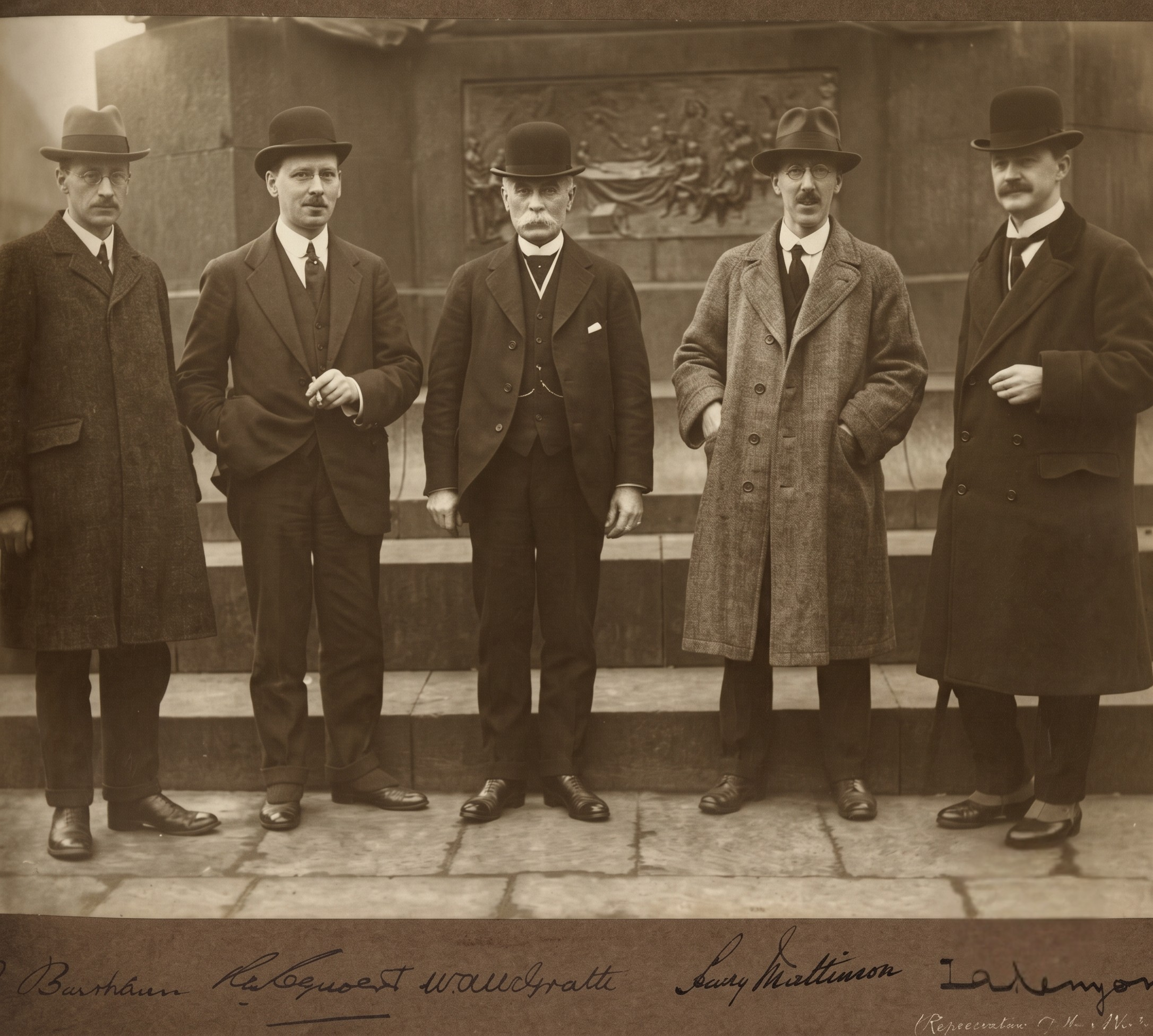
On 3 November 1919, a group of experts met at London's Savoy Hotel to rethink transport. Having witnessed freight transport problems during the First World War, they decided to establish an organisation to set new standards. The Institute of Transport was born.
The group's original aims were to improve transport efficiency, encourage integration and develop talent in the industry. We continue to pursue these aims today.
How we developed
- 1926 — Royal Charter. King George V granted the Institute a Royal Charter. The Prince of Wales became its honorary president, marking the beginning of an officially recognised professional institution.
- 1971 — A new name from the Queen. The Institute's influence grew worldwide, with territorial organisations established in ten countries. Queen Elizabeth II renamed it the Chartered Institute of Transport.
- 2001 — Two leaders unite. The merger of two leading professional organisations created the Chartered Institute of Logistics and Transport (CILT), giving the industry a unified international voice.
Where we are today
In 2017, at the CILT International Convention in Macau, a licence to establish a CILT representation in Kazakhstan was officially awarded.
In 2018, the Institute gained Central Asian hub status, opening access to international knowledge, qualifications and professional networks for the region. Today, CILT Central Asia plays a key role in developing its logistics industry.
More than 100 years of professional leadership
A global institute and a regional hub
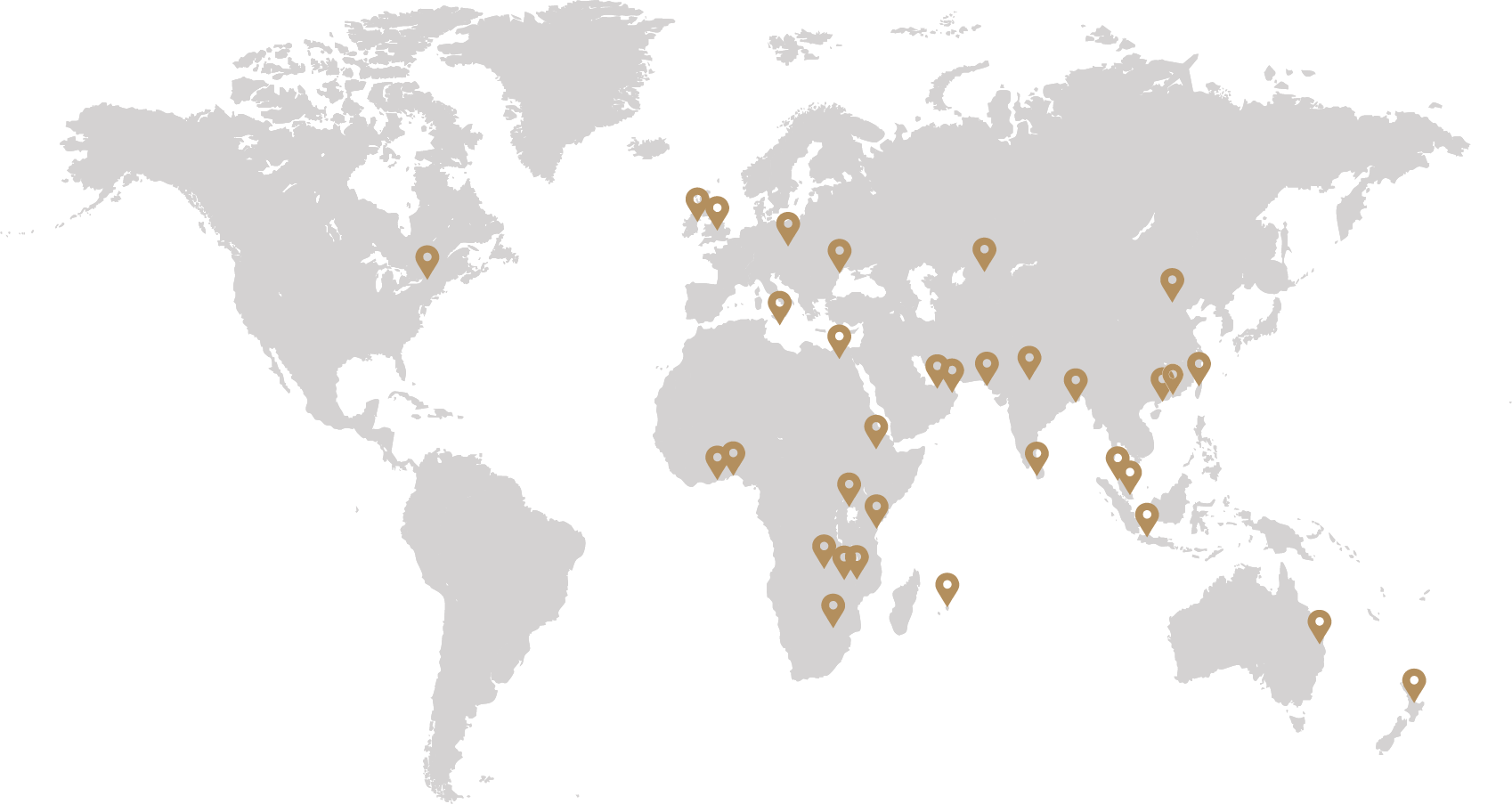
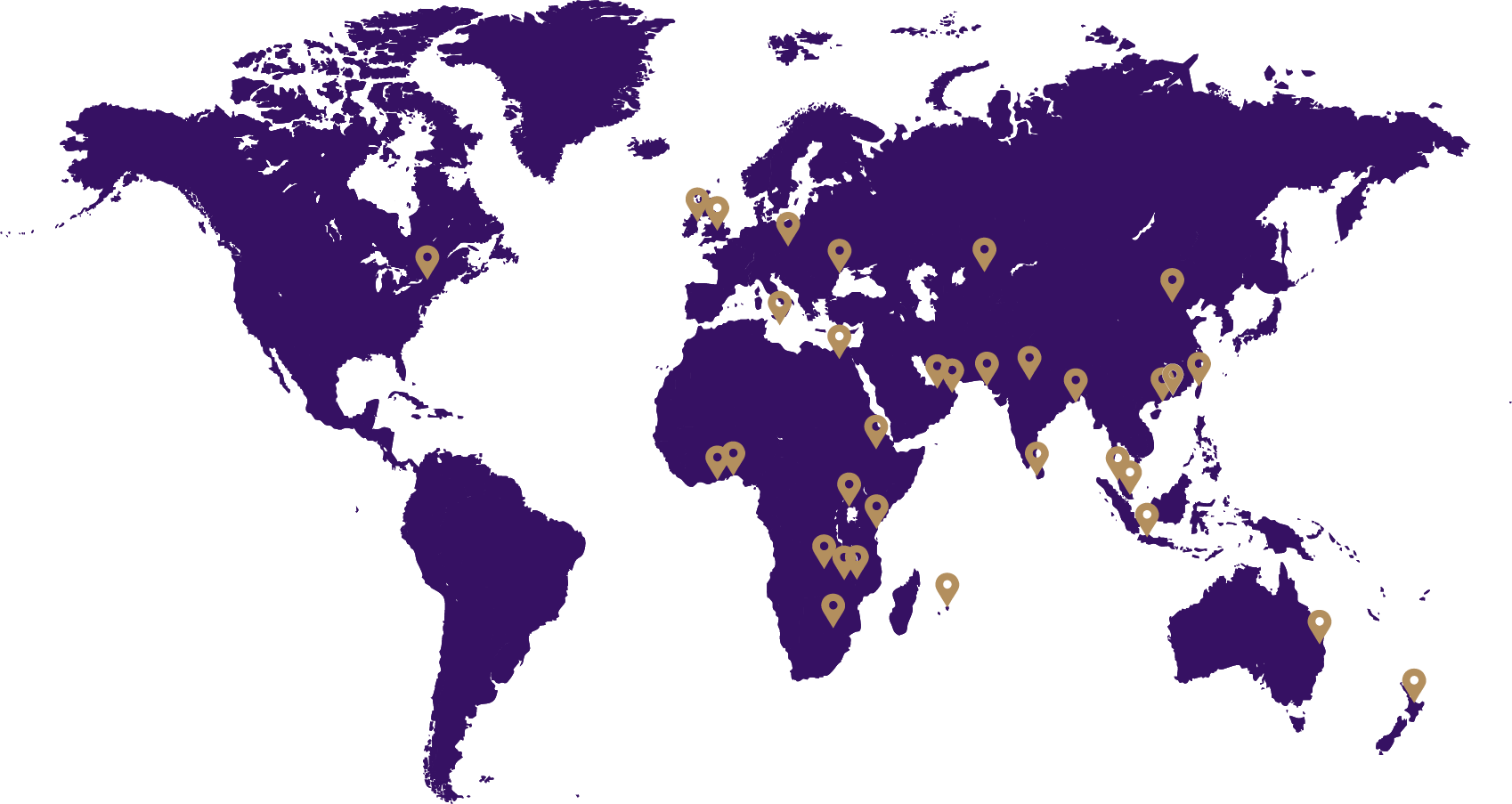
CILT operates in 40+ countries. CILT Central Asia is the accredited hub for the whole region, providing access to international qualifications, knowledge and professional networks.
Key areas of CILT's work
The Chartered Institute of Logistics and Transport plays a vital role in developing and supporting the logistics industry by providing knowledge, training and resources for professionals.
“CILT brings together more than 36 000 active members worldwide and has representation in 40 countries. Its international qualifications meet the highest global standards.”
Interactive governance structure
The institutional model follows the Royal Charter, Constitution and CILT International forum regulations.
- The Institute's global governing body.
- Holder of the intellectual property and Royal Charter.
- Delegates operational authority to regional governing bodies.
- Official representative of CILT International in the region.
- Chairs Regional Council meetings and sets the strategic direction.
- Holds CILT International's exclusive mandate to develop the Institute in the region.
- Sets policy and approves the annual development plan within the President's strategy.
- Approves nominated heads of departments and the Secretariat.
- Membership includes: the President, Vice-Presidents, Treasurer, Secretary General and chairs of specialist communities.
- Leads the Institute's executive office, the Secretariat.
- Manages day-to-day operations, finances, project budgets and legal matters.
- Provides operational oversight and coordination of all country representations and specialist communities.
- Coordinates work in Kazakhstan, Uzbekistan, Kyrgyzstan, Tajikistan and Turkmenistan.
- Delivers approved Institute programmes at country level under the Secretariat's oversight.
- Develops local partnerships and membership.
CILT International
The international parent organisation: the Chartered Institute of Logistics and Transport
CILT Central Asia Committee
Leading industry experts shaping CILT Central Asia's development strategy
Our team
Professionals working every day to develop Central Asia's logistics industry
Our Practitioner Experts
Industry practitioners sharing their experience on CILT Central Asia programmes